
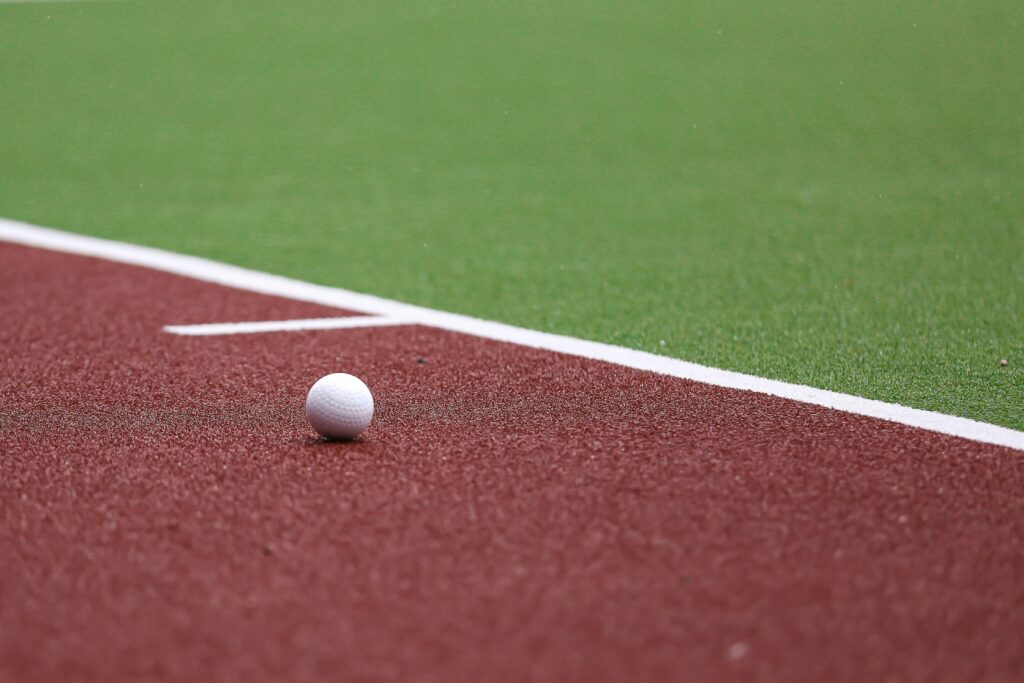
On a given weekend, I’m outdoors, playing ball hockey- which is like ice hockey, but is played on foot, running up and down the court in a rink, with a rubber or plastic ball.
The game is played back and forth, each side jostling to score a goal where possible. The scoring can be few and far between, a lot more chances and shots at goals, than reward.
Often the activity is quick, a quick run by a team toward the goal, and then the ball is going backward the other way, exchanging possession back and forth…
Yet a fact of the game is you will get pinned in on your defensive end. The other team passing with ease, trying to create an advantage to get the defense and goalie going the wrong way, and to line up the best, most accurate shots.
So, you stay vigilant, you tighten up, eyes get wide, your mind is processing everything at the speed of a cheetah.
You try to focus, tune out the negative self-talk, remain on the defensive …
Hoping for one swipe at the ball, one deflection, one bad pass, one errant shot to get out of the danger zone and turn from defense to being in command of the ball.
Your body is speeding up… Cortisol raising, fast twitch muscles surging, trying to control breathe, keep one’s composure, and situational awareness.
Yet, the longer they attack, the more control slips away. Tiredness sets in. You want nothing more than to blindly lob that ball to the other side of the rink just to catch your breath. Irritability rises. Threat looms thicker than the burning air in your panting lungs. Boxed in. No escape. You become ready to do something rash—a low-probability stick lunge at the ball… a reckless body check—anything to claw back a shred of agency…. escape this situation and maybe, just maybe, get an advantage.
Fighting panic…
Staying vigilant…
Trying to maintain composure…
And then, the turnover happens. The whistle blows, or the ball is finally cleared. When the situation safely passes, the relief is almost physical—like air rushing out of a collapsing balloon. The mind relaxes.
Yet the cortisol is still floating, and the nerves quickly resume when the other team quickly regains possession- even deep in their own end. The mind races, body twitches, vision starts flipping between locked in focus and scanning everywhere. The self-talk raises “Do I have the legs to chase this down again… I’m already breathing hard again… This is no good… And what about my teammates??? What about the goalie???”
I extremely dislike being stuck in this prolonged defensive hole, simultaneously fearful and ready to act at any moment… Oddly feeling highly alive… yet in a deep sense of active vulnerability… You just want the moment to end…
This came fleeting through my mind for a few seconds when I was talking with a patient about their PTSD during a primary care handoff, as they clutch the chair slightly tighter, eyes widening and scan the room, fidgeting at the memory.
I can’t imagine even staying on the rink (or showing up every again for hockey) with sensations like that… ALL WHILE relieving my worst most vulnerable and difficult day… AND feeling as if my life, or someone else’s could be snatched away in that moment.
The parallel I am drawing is admittedly trivial in its stakes and emotional intensity. Yet, it is the bridge that helps me relate to, feel, and imagine my patient’s reality. It allows me to step onto their world, to understand, and to offer an empathy born of recognition.
We discuss how hard it is to be continuously on the defensive. How tiring it is to feel like you’re going to get pinned down again… Actually… No, in correction, it is absolutely exhausting and also, somehow, restlessly driving one’s nervous system, like having way too much caffeine.
We pause to honor the sheer gravity of it all. We sit with how hopeless it feels when your muscles and nerves are screaming at you to flee, to strike, to wrest back control. To a patient dug deep into their trauma, the concept of an “offensive move” doesn’t feel real or accessible.
We discussed the value and cost of this situation, validating the challenge and what’s at stake. Themes of protection and loss go back and forth from the patient, the dialectic snaps back between these differing experiences before any thought on one side is even finished.
After an exasperated pause, and with much empathy in my eyes and body, I gently ask…
“Would you be willing to make space for what’s important to you?”
What if we step back from the threats of the past and the future? What if we find the present, catch our breath, and slow the reaction down—not to quit, but to become responsive, aware, and optimally present… to act in this moment?
We run through a brief Acceptance and Commitment Therapy (ACT) defusion exercise. Gradually, both therapist and patient feel a little less dug in. The patients reports a shift: more space. A little room to move.
We discuss how space and perspective may be useful to make the next play, to not get flat footed or over-pursue and get oneself into a jam. Practice might help with these jams, first in quiet, slowed down situations. Then later, in game time chaos. A knowing head nod and an uplifted spirit follows.
The dialogue progress… And maybe, just maybe, we can then make space, to make a move toward the offensive game, toward your valued goals, of the life you want to live. Thinking what can we do different with these intense feelings, memories, self-talk, lost sleep… And those things being pinned down keeps you from even thinking about those parts of your life you want to take back… to develop… and savor.
The client agrees to try making space in the coming weeks and to meet to talk again… about how that worked, and what we can do next… what options exist in the (trauma-informed) playbook that may shift the focus toward goals and a meaningful life.
Photo by Jayden Seah on Unsplash

Leave a Reply