
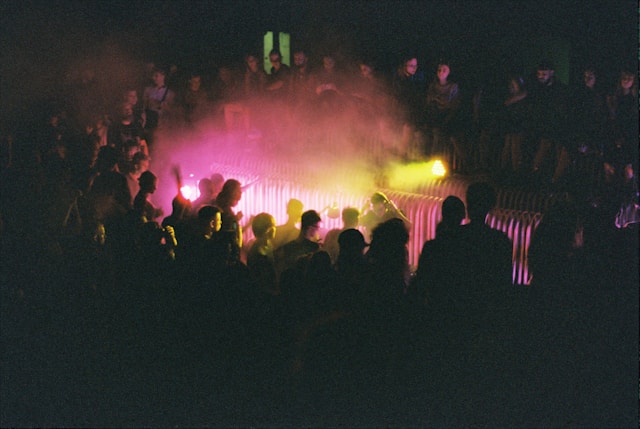
I’ll admit it. I’ve had Bad Bunny on repeat for weeks now. As his historic residency in Puerto Rico wraps up its final weekend, I cannot help but reflect on the unexpected lessons I felt during his concert and apply some to working in integrated care. Yes, you read that right. A reggaeton superstar’s show has me thinking about how we connect with patients in primary care settings.
Bad Bunny did something bold. Instead of touring the world, he made the world come to him. He planted himself firmly in Puerto Rico, moving anyone who wanted to experience his phenomenon to come to our island. Watching thousands of people from across the globe flood into our home each weekend night has been a masterclass in the power of authenticity and cultural grounding.
The Power of Doubling Down on Your Roots
One of the most striking aspects of Bad Bunny’s approach is how unapologetically he centers his Puerto Rican identity. Every lyric, every beat, every visual element celebrates where he comes from. He doesn’t water down his accent, translate his experiences, or apologize for references that outsiders might not understand. Instead, he invites the world to meet him where he is.
This resonates deeply with what many of us do in integrated care. We create space for patients to bring their whole selves into the clinical encounter. Bad Bunny’s success reinforces how powerful it can be when we lean even further into this practice. Those cultural strengths our patients carry are often the key to breakthrough moments.
In our behavioral health consultations, we know the magic happens when we discover and amplify what makes each patient unique. What cultural practices bring them comfort? What family traditions provide strength? Bad Bunny’s example reminds me to keep centering these questions, to make them not peripheral but essential to the healing process.
Creating Space for the Full Spectrum of Human Experience
Now, let’s address the elephant in the room. Bad Bunny’s lyrics are not exactly suitable for all audiences. His songs are peppered with profanity and explicit content that would make many blush. Yet at his concerts, I witnessed generations of Puerto Rican families (grandmothers, mothers, and daughters) singing together, laughing, crying, and jumping in unison.
There’s a particular moment in the concert that many people choose to publish on their social media feeds. It’s the moment during the song “El Apagón” where the entire “Choliseo” (the concert stadium) erupts as Bad Bunny shouts “Puerto Rico está bien cabr**!” The word “cabr**” is complex. It can mean something terrible or something amazing, depending on context. In that moment, thousands of voices claiming this complex, imperfect, powerful identity create an emotional release that’s almost therapeutic. It was one of the most joyous moments of the concert for me.
This reminds me of the special moments in our practice when we successfully hold space for the messy, complicated, sometimes contradictory ways people process emotions. That grandmother dancing along to explicit lyrics was likely not endorsing everything in them. She was participating in a collective, cultural moment, finding release, connecting, and expressing parts of herself that daily life rarely allows. As behavioral health providers, we know the value of meeting people where they are, contradictions and all.
The Therapeutic Power of Collective Emotional Release
As providers in integrated care settings, we often witness the profound impact of helping patients realize they’re not alone in their struggles. Watching thousands of people simultaneously experience joy, nostalgia, pride, and grief at these concerts highlighted the power of shared emotional experience.
There’s a reason we see such breakthroughs when we normalize patients’ experiences, when we help them understand that their struggles are part of the human condition. Even in brief interventions, that moment when we say, “You’re not alone in feeling this way,” can shift everything. Bad Bunny’s concerts are a massive version of what we create in smaller doses, spaces where people feel seen, understood, and part of something larger than themselves.
Honoring Those Who Aren’t in the Room
Perhaps the most powerful moment in Bad Bunny’s show comes during “Debí Tirar Más Fotos” (I Should Have Taken More Photos). Before the song begins, he asks the audience to think about loved ones, including those who have passed away. The stadium transforms into a sea of hugs, tears, and lights as people honor present and absent friends and family. It’s a masterful invocation of resources that transcend physical presence.
This moment reminds me of the power of helping patients connect with the wisdom, strength, and memories of loved ones who aren’t physically present. Whether they’ve passed on, live far away, or are simply unavailable, these relationships remain powerful resources. “What would your grandmother do in this situation?” “How would your best friend encourage you right now?” These questions invite potent supporters into the therapeutic space. Bad Bunny’s concert moment reminds me just how healing these connections can be.
Bridging Worlds Through Authentic Connection
Bad Bunny’s residency has shown that you don’t need to compromise your identity to build bridges. By being authentic, he’s created a space where people from vastly different backgrounds find common ground. No matter which background, during the concert we all jumped to the same beat, felt the same pride, and shared the same tears.
In integrated care, we continually build bridges between physical and mental health, across different cultural backgrounds, and between what patients need and what systems can provide. Bad Bunny’s example affirms what we know from experience: bridges are strongest when they’re built on authentic foundations. When we show up as our genuine selves and invite our patients to do the same, that’s when real connection happens.
Bringing the Magic to Primary Care
So, am I just a fan trying to justify my concert obsession by finding professional relevance? Maybe. But hopefully I’m not wrong about the connections. Bad Bunny’s residency has reminded me that healing happens when people feel seen, celebrated, and connected, not despite their complexities, but because of them.
As we return to our clinics and consultation rooms, perhaps we can carry a bit of that concert magic with us. Not the light shows or the celebrities, but the willingness to create spaces where people can be fully themselves, where emotions can be felt, where culture is a strength rather than a barrier, and where even in the briefest encounters, transformation is possible.
Next time I’m in a behavioral health consultation, I plan to channel a little of that Bad Bunny energy. I’ll ask myself: How can I make this patient feel like the star of their own show, even if it’s for 15 minutes? How can I help them connect with their roots, their people, their strengths in a way that feels as natural as singing along to their favorite song?

Leave a Reply